The term "Big Five" was coined by hunters for the five animals most dangerous to track on foot. Today it is a conservation badge of honour, and the camera has long since replaced the rifle.
The five animals that define a safari
There is a moment on every first safari when the radio crackles, the tracker raises a hand and the vehicle falls silent. Around the bend, a leopard is draped along the branch of a marula tree, tail twitching, utterly indifferent to you. In that moment, Africa stops being a destination and becomes a feeling.
The Big Five are lion, leopard, elephant, Cape buffalo and rhino. Seeing all five in the wild remains the most coveted achievement in safari travel, and in the right reserve, with the right guide, it is entirely achievable in two or three days.
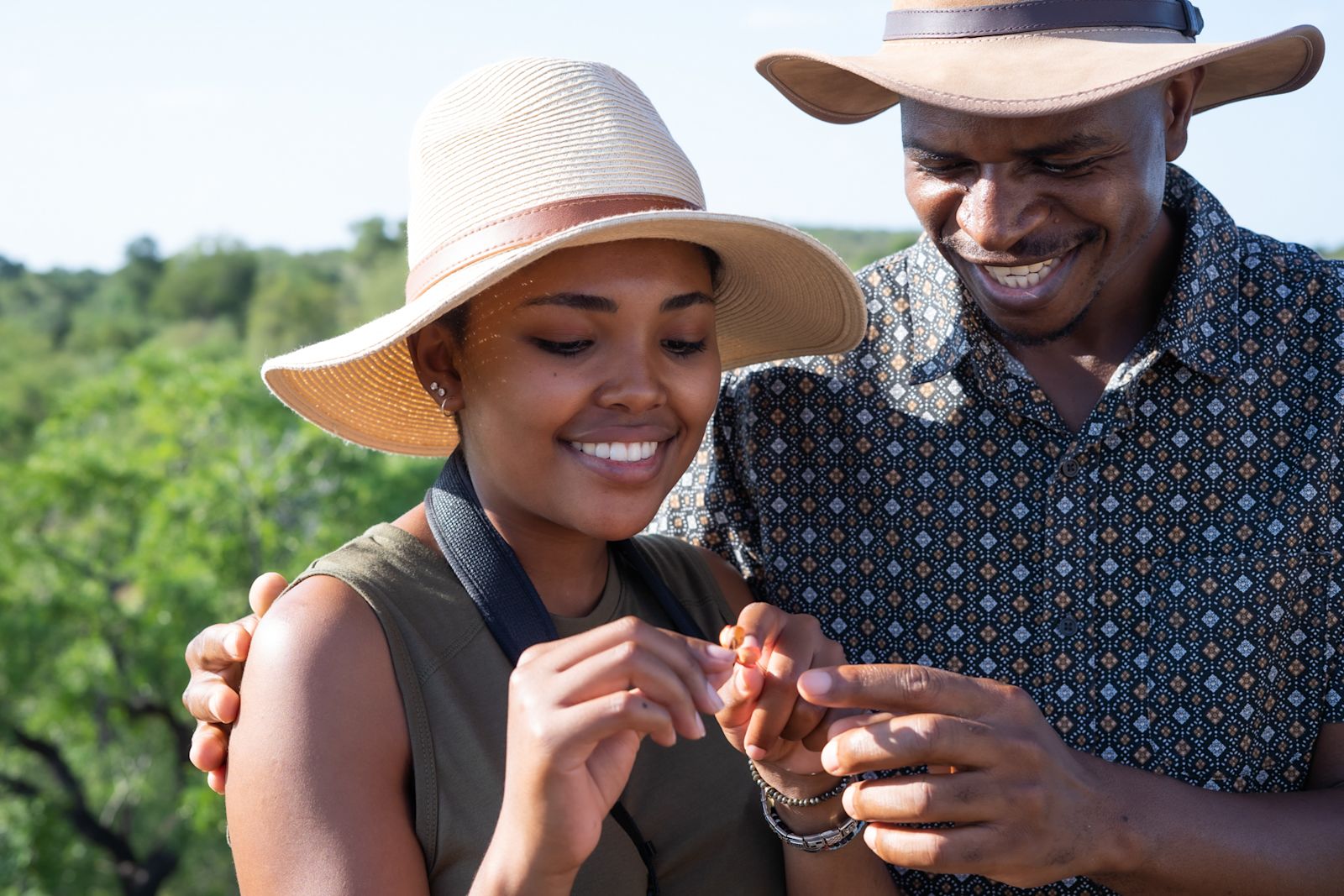
But a great Big Five safari is about more than ticking boxes. It is about understanding behaviour: why a buffalo herd closes ranks, why an elephant matriarch pauses at a waterhole, why a lioness lies flat in the grass long before the hunt begins. Our guides read the bush like a book, and they share every page with you.

Where to find them
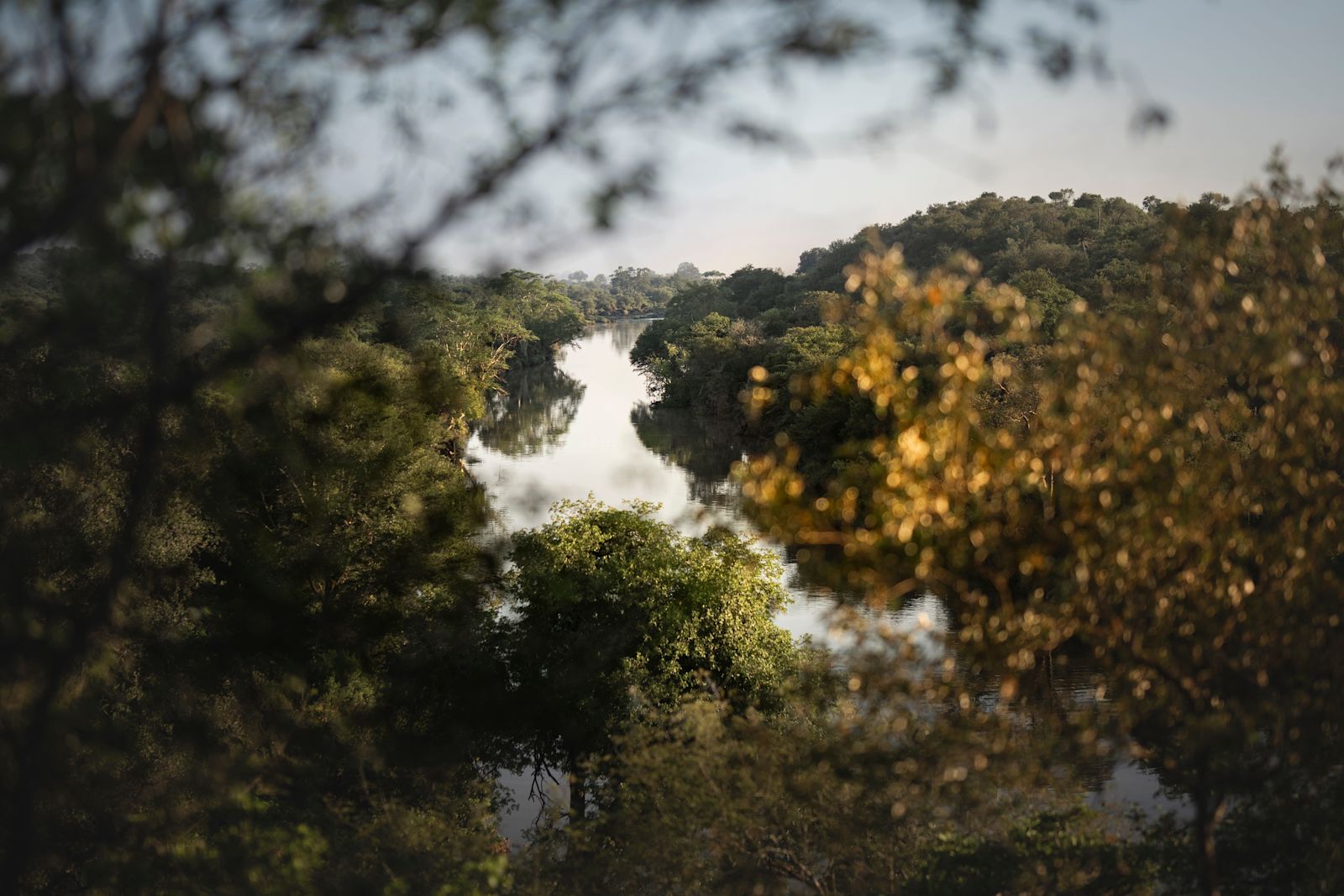
South Africa's Greater Kruger is the most reliable Big Five region on the continent. Kruger National Park alone covers nearly two million hectares, and along its western boundary lie unfenced private reserves where wildlife moves freely and guides may drive off-road to follow a sighting.
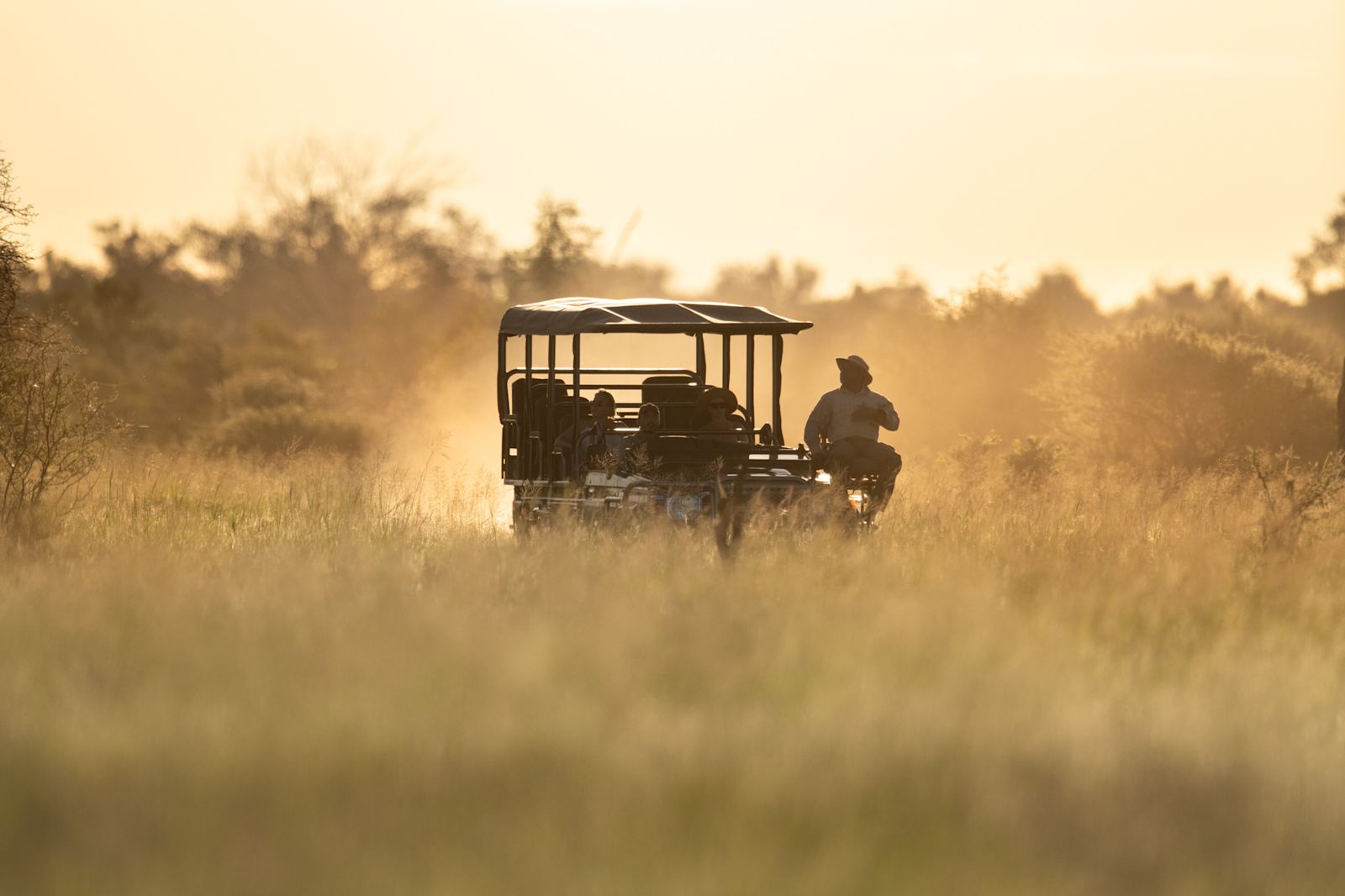
In the private reserves, vehicles are limited at each sighting, game drives continue after dark with a spotlight, and leopard sightings in particular are exceptional. For travellers with limited time, malaria-free reserves within a few hours of Cape Town and Johannesburg offer an authentic introduction to all five animals.
Beyond South Africa, Kenya's Masai Mara, Tanzania's Ngorongoro Crater and Zambia's South Luangwa offer superb Big Five viewing, although rhino are scarce or absent in some of them. We design routes around the animals you most want to see.
“The Big Five are the reason people come to Africa. The silence, the stars and the people are the reason they come back.”
Meet the Big Five
Lion
Africa's only social cat lives in prides of up to 20 or more. Most active at dawn and dusk, lions spend up to 20 hours a day resting.
Leopard
The most elusive of the five. Solitary, nocturnal and supremely camouflaged, leopards often haul their kills high into trees.
Elephant
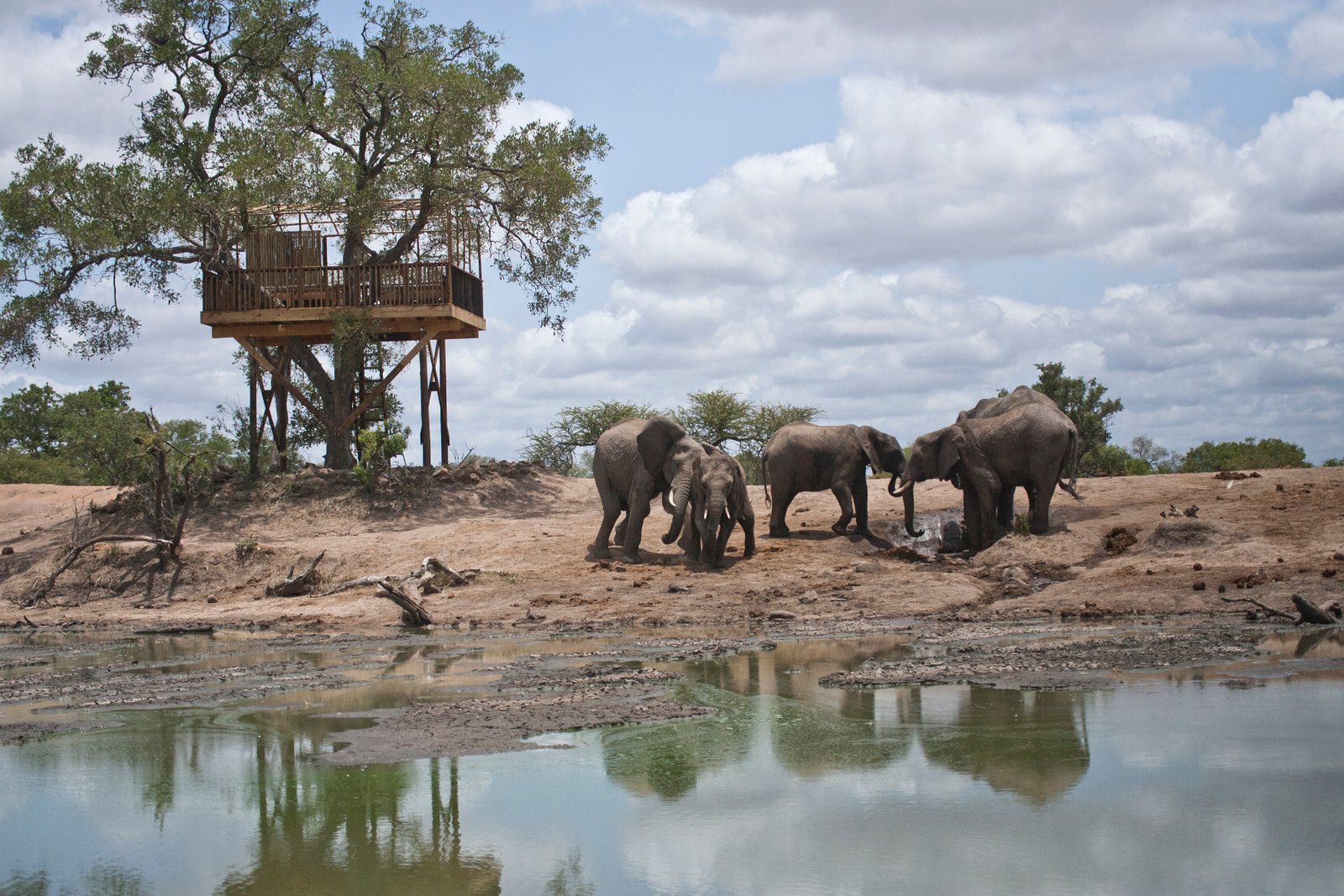
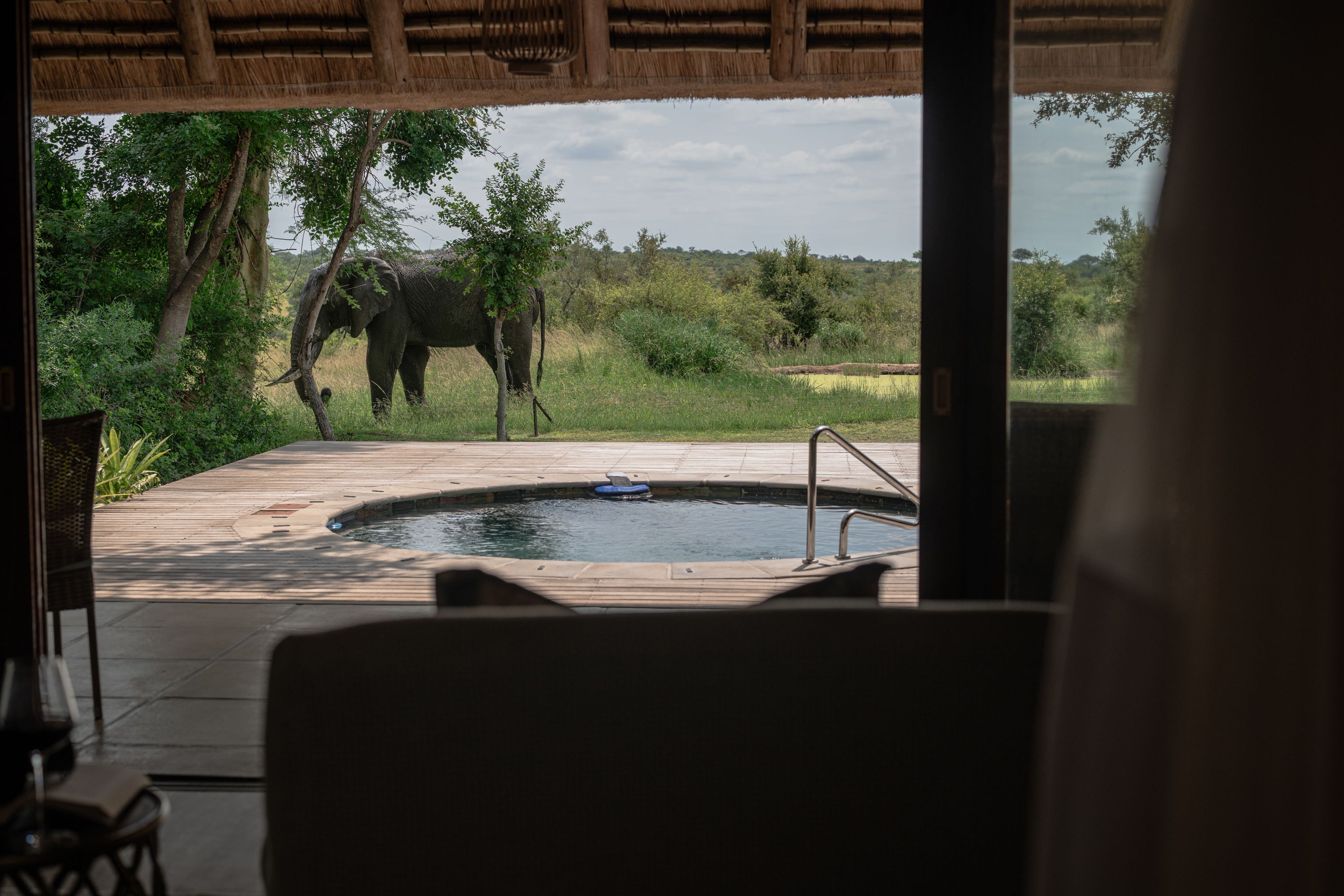
The largest land animal on Earth. Herds are led by an experienced matriarch whose memory of water and food sources guides the family.
Cape Buffalo
Herds can number in the hundreds. Lone old bulls, known as "dagga boys", are famously unpredictable.
Rhino
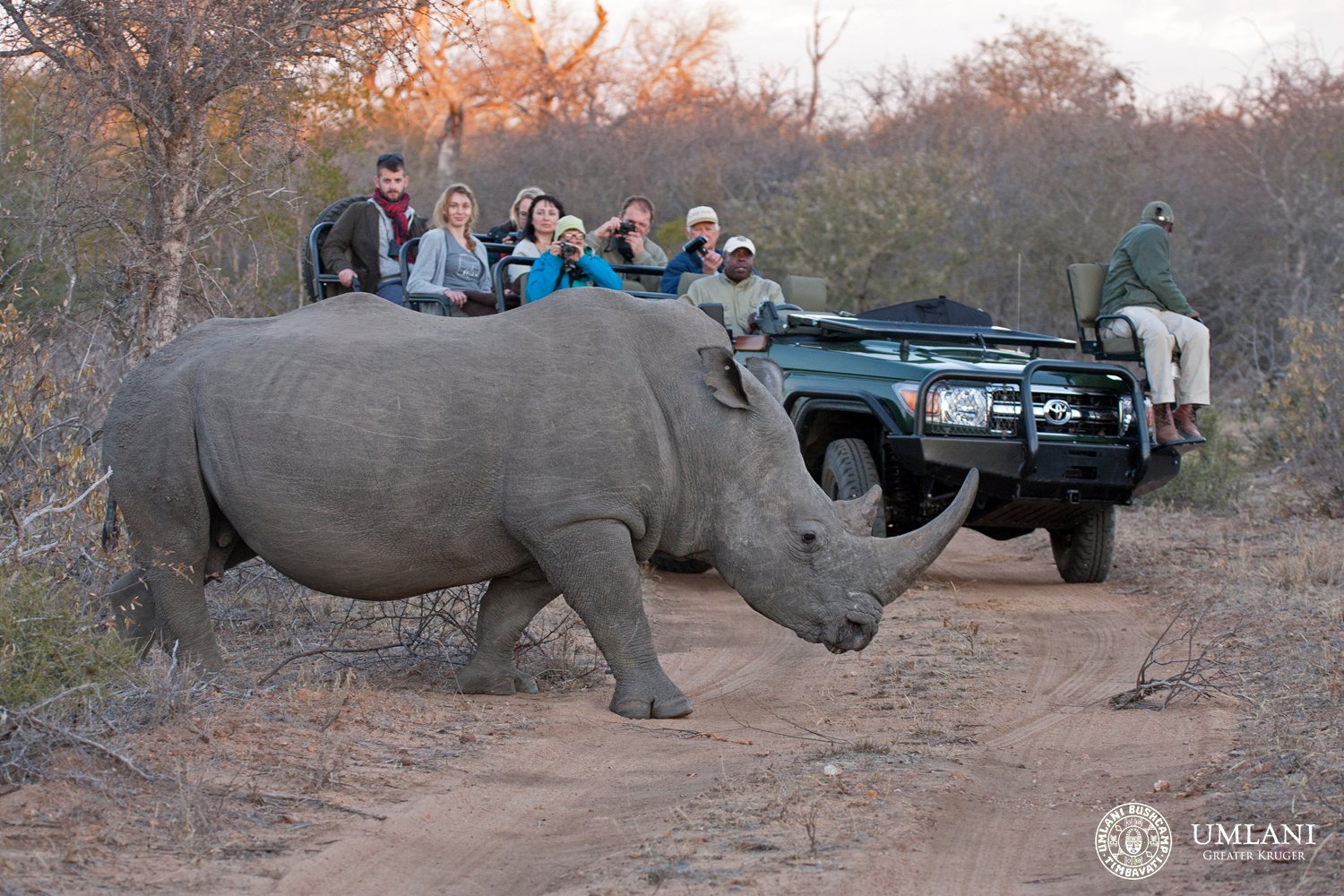
Both white and black rhino survive in protected reserves. Every sighting supports the anti-poaching work that keeps them alive.
When to go
The dry winter months from May to September are the classic Big Five season. Vegetation thins, animals gather at permanent water and sightings become wonderfully predictable. Mornings are crisp and days are warm and clear.
The green summer season from November to March brings newborn animals, dramatic thunderstorms, migrant birds and lower rates. Game viewing is still excellent in the private reserves, and the landscape is at its most beautiful.
How we craft your Big Five safari
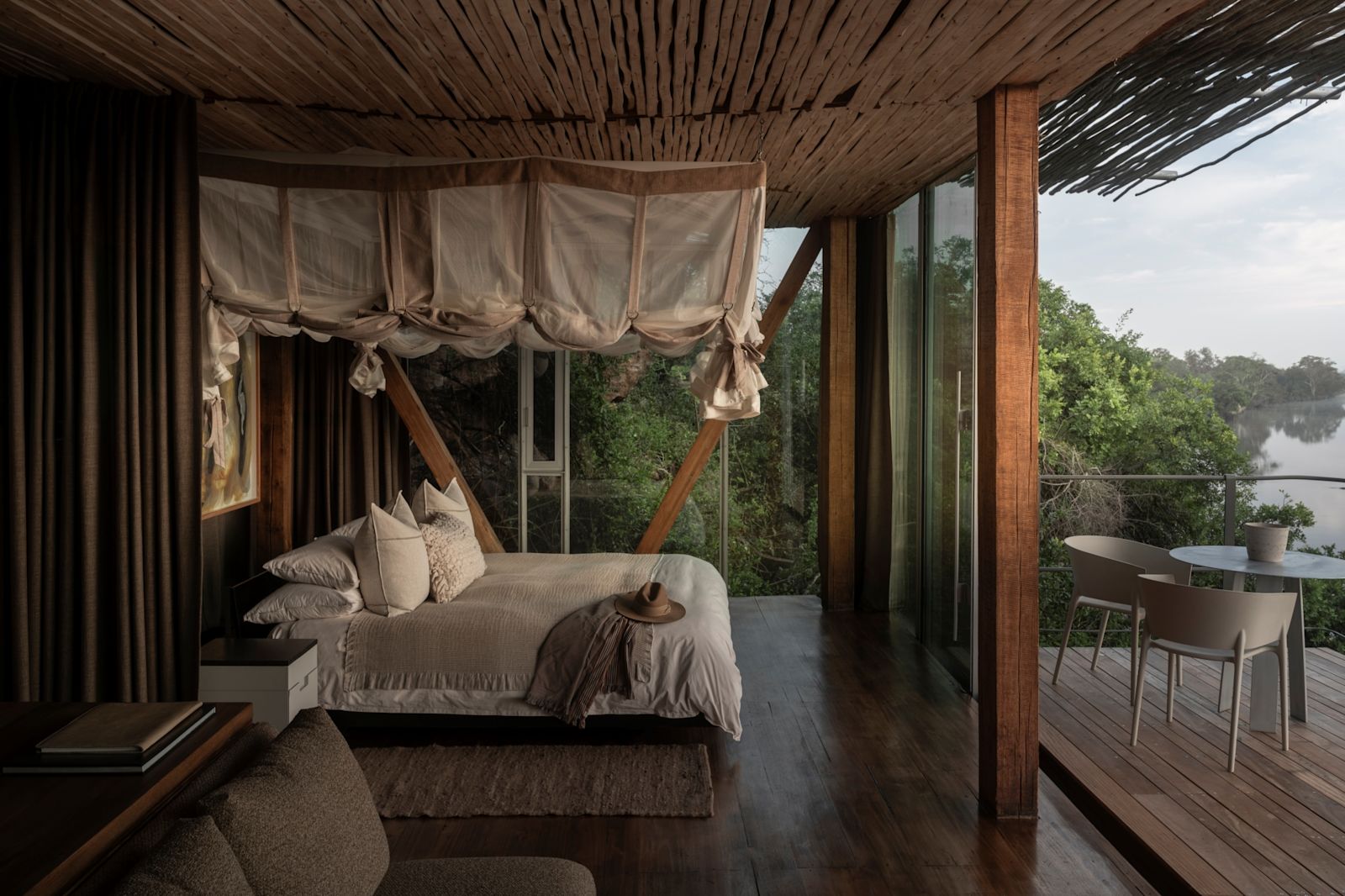
We match you to the reserve, the lodge and the guide that suit your pace. We combine a private reserve with time in Kruger National Park itself, pair your safari with Cape Town or the Winelands, and ensure every transfer runs seamlessly.
As a locally owned company, we know these reserves personally. We know which lodges sit on the busiest leopard territories, which guides have tracked the same prides for a decade, and how to put you in the right place at the right moment.
Begin your Big Five safari
Tell us your dates and dream sightings, and we will design a Big Five journey around you.
Know before you go
Big Five Safari: frequently asked questions
No reputable operator can guarantee wild animal sightings, but the private reserves bordering Kruger offer some of the highest success rates in Africa, particularly in the dry winter months.
Yes. Reserves such as Madikwe, Pilanesberg and several in the Eastern Cape are malaria-free and home to all five animals, making them ideal for families and travellers with health concerns.
Kruger National Park offers self-drive and guided options on public roads. Private reserves allow off-road tracking, night drives and limited vehicles per sighting, which creates a far more intimate experience.
Absolutely. Direct flights connect Cape Town with the Kruger region in around two hours, making this one of the most popular combinations we arrange.