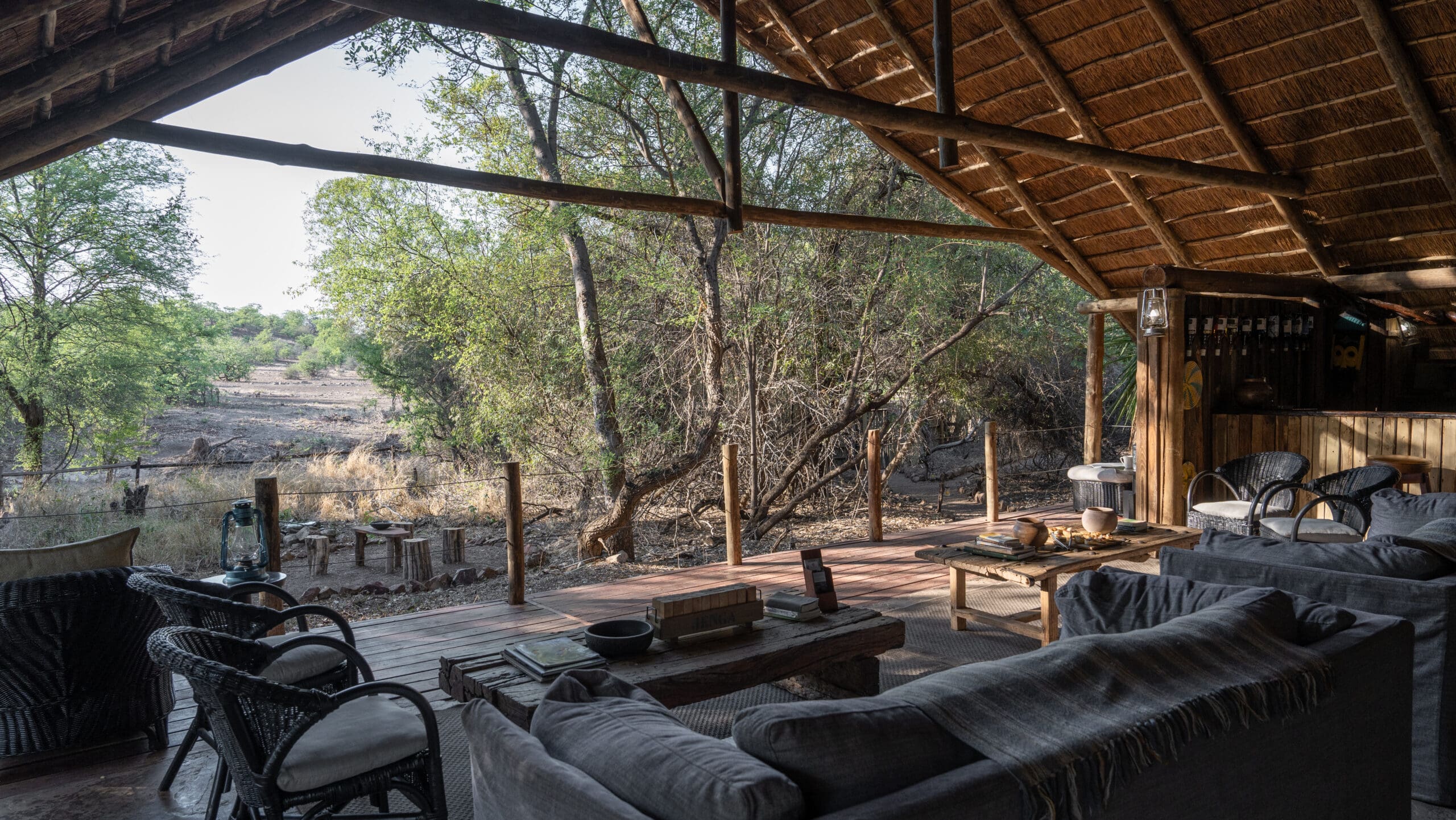
The best wildlife light lasts only around an hour after sunrise and before sunset, which is why safari game drives are timed around these golden hours.
The pursuit of a great wildlife image
A great wildlife photograph is the meeting of light, behaviour and patience. A leopard descending a tree in the golden glow of morning. Dust rising behind a running herd. The moment a lioness turns her head and looks straight down the lens.
A photographic safari is designed around these moments. It means positioning the vehicle for the light, waiting at a sighting rather than moving on, and working with a guide who understands composition as well as animal behaviour.
Whether you are a professional or a passionate beginner, Africa offers the most rewarding wildlife photography on Earth. The right planning turns good opportunities into extraordinary images.

Why a specialist approach matters
On a standard shared game drive, the vehicle moves on when the group is ready. On a photographic safari, a private vehicle lets you stay as long as the light and behaviour demand.
Specialist vehicles may include swivel seats, camera mounts and beanbags, with open sides for unobstructed shooting. Guides trained in photography know how to position for backlighting, side lighting and clean backgrounds, and they anticipate behaviour before it happens.
“In the bush, patience is the most important lens you can carry. The animals decide when the moment arrives.”
What makes a photographic safari
Private vehicle
Stay at sightings for as long as you need, without compromise.
Golden light
Drives timed to the best light of dawn and dusk.
Camera support
Beanbags, mounts and space to work with long lenses.
Expert guides
Guides who understand both behaviour and composition.
Low angles
Hides and ground-level positions for intimate perspectives.
Night skies
Clear, dark skies for astrophotography above the bush.
Where and when to shoot
The Greater Kruger offers exceptional leopard photography and off-road access in the private reserves. Kenya's Masai Mara and Tanzania's Serengeti deliver the drama of the Great Migration and big cat action across open plains.
Botswana's Okavango Delta and Chobe River provide water-based photography of elephants and birds, while Namibia's Sossusvlei offers extraordinary landscapes. The dry season from May to October brings thinner vegetation and concentrated wildlife.
Gear and how we plan
A telephoto zoom in the 100 to 400 mm range covers most situations, complemented by a wide-angle lens for landscapes and environmental portraits. Bring spare batteries, ample memory cards and a dust cover, as conditions can be dusty.
We select lodges known for photographic expertise, secure private vehicles and plan your itinerary around the light, the seasons and the subjects you most want to capture.
Plan your photographic safari
Tell us your photography goals and we will design a safari around the light and the subjects you want.
Know before you go
Photographic Safari: frequently asked questions
It is highly recommended. A private vehicle allows you to stay at sightings, wait for the best light and position the vehicle for the best angles.
The dry season from May to October offers clear sightings and concentrated wildlife. The green season brings dramatic skies and newborn animals.
Yes. Guides with photography skills can help beginners improve quickly, and smartphones can capture remarkable images at close sightings.
Use a camera rain cover or dust bag, carry a blower and microfibre cloths, and avoid changing lenses in windy conditions.